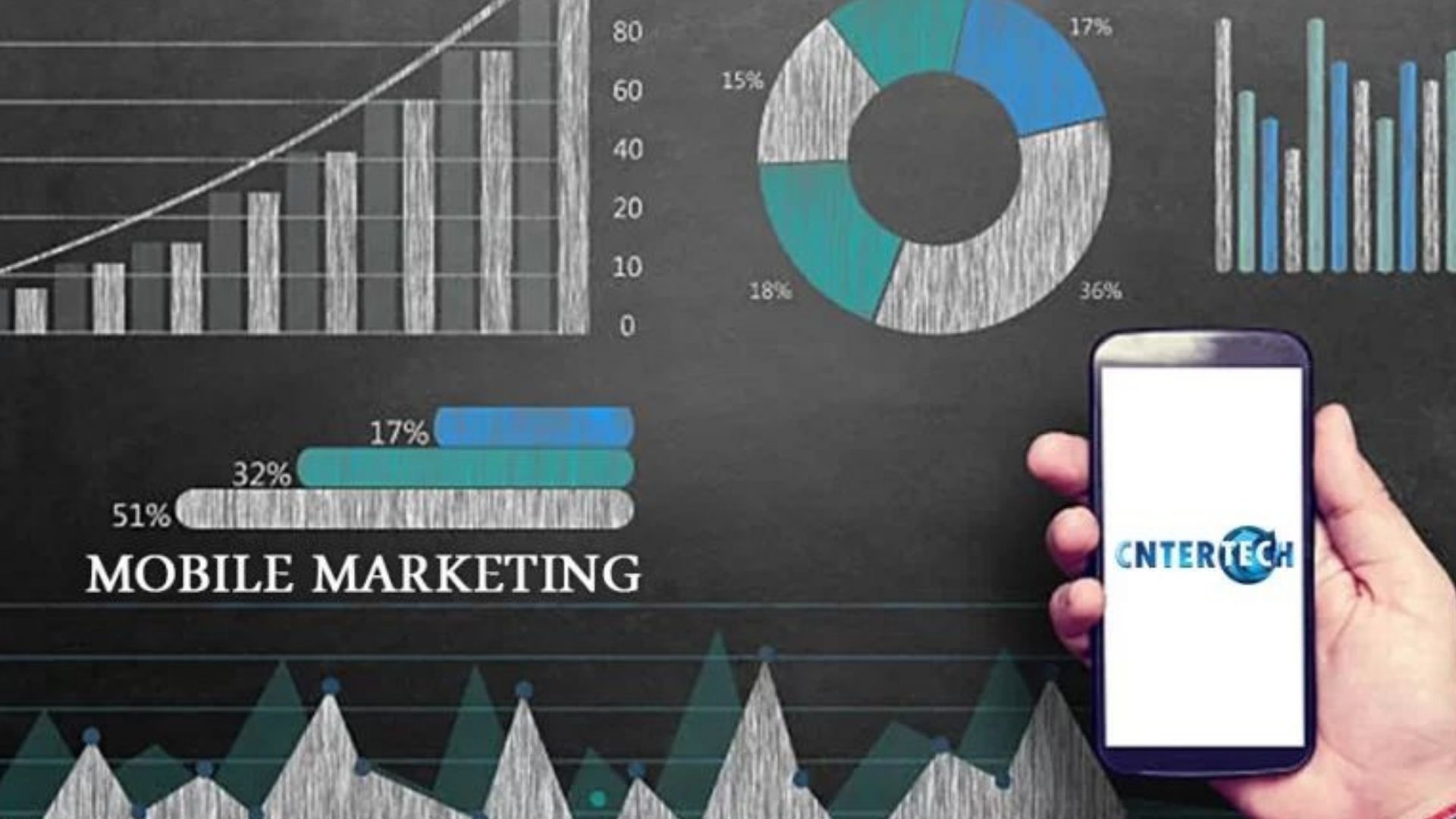

Data analysis is no longer an optional step within digital marketing strategies; it has become the engine that guides decisions and reveals insights that cannot be seen with the naked eye. Every interaction on your website, every click, and every second a user spends on a page is a signal that must be understood and translated into a decision that helps draw a clearer path toward marketing goals and improved results. With the evolution of digital marketing tools, reading these signals has become easier, but the real challenge lies in interpreting them in a way that directly enhances user experience and turns data into effective strategies.
pasted
When companies begin processing the data flowing from their campaigns and platforms, they often discover that many of the assumptions they built their plans on differ significantly from reality. Data analysis reveals the true nature of the audience, purchasing motivations, weaknesses in content, and gaps within the conversion funnel. With every additional layer of analysis, the ability to make smarter decisions increases—whether it’s optimizing an ad, adjusting a landing page, or redesigning the entire customer journey.
The core of this article is understanding how data analysis can become a tool for creating highly personalized experiences for each user, how it helps predict consumer behavior before decisions are made, and how it can be used to strengthen campaigns and increase marketing ROI. This is not merely a theoretical overview, but an attempt to explore how to build a system that uses data practically, turning it into real value within a company’s strategy rather than just numbers on a dashboard.
How Data Draws an Accurate Customer Profile for Personalized Marketing Experiences
Understanding the customer is no longer based on guesswork or personal experience, but on deep insights driven by data analysis in all its forms—from browsing data and heatmaps to purchase history and interaction points across every digital channel. When companies treat data as the true language of their customers, it becomes possible to build an accurate profile for each individual and deliver experiences that feel tailor-made.
1. Behavioral Data: What Does the Customer Actually Do?
Analyzing behavioral data such as time spent on product pages, scroll depth, abandoned pages, and on-site clicks reveals what captures user attention and what is ignored. These signals help refine content, improve user experience, and design smoother paths that lead to marketing goals more efficiently and with less friction.
2. Demographic Data: Who Is the Customer?
Age, geographic location, interests, and device type all contribute to developing personalized marketing messages. Here, digital marketing plays a vital role in audience segmentation, identifying the most effective channels, and optimizing how content is presented to each segment.
3. Psychographic Data: Why Does the Customer Behave This Way?
In-depth analysis of search behavior, keywords used, and the type of content users engage with helps uncover internal motivations. Through data analysis, offers and messages can be crafted to target psychological needs such as security, time-saving, or trust-building.
4. Turning Data into Personalized Experiences
When behavioral, demographic, and psychographic data are combined, companies can deliver personalized experiences such as:
- Recommending products based on user preferences
- Sending behavior-driven emails instead of generic broadcasts
- Customizing landing pages based on traffic sources
This approach increases engagement, improves user experience, and helps achieve marketing goals more efficiently.
Using Data Analytics to Predict Consumer Behavior and Market Trends
Predicting consumer behavior has become one of the most powerful advantages for companies that rely on data analysis as a core element of their digital marketing strategy. Instead of waiting to see what customers will do next, data allows marketers to anticipate upcoming steps, enabling faster and more accurate decisions that bring them closer to their marketing objectives.
1. Identifying Repeated Interaction Patterns
By tracking frequently visited pages, most-viewed products, and drop-off points within the user journey, modern tools can analyze patterns and determine whether a user is close to making a purchase, leaving the site, or comparing options. This strengthens the ability to fine-tune messaging and develop offers aligned with genuine customer interest, significantly improving user experience.
2. Keyword and Search Behavior Analysis
Search behavior directly reflects audience interests. A rise in searches for a specific product or problem is an early indicator of shifting demand. By using tools such as Google Trends and marketing dashboards, companies can link search behavior to digital marketing performance and forecast changes in interest.
3. Predicting Seasonal Demand and Buying Cycles
Accumulated data over time reveals when demand rises for specific categories—such as back-to-school seasons, holidays, promotions, or even climate changes. This insight helps prepare inventory, design targeted campaigns, and achieve marketing goals within realistic budgets without waste.
4. Predictive Models and Probability Analysis
Machine-learning-based systems analyze thousands of past behaviors to predict a customer’s next move with high accuracy. These models continuously learn from new data, giving companies a strong competitive edge in fast-changing markets.
5. Making Decisions Before Problems Occur
Prediction is not only about understanding customer desires, but also about identifying potential risks such as rising bounce rates, declining ad performance, or ineffective landing pages. By monitoring early signals, user experience can be optimized before issues become noticeable, allowing digital marketing teams to recalibrate campaigns quickly and intelligently.
Using Data to Measure and Optimize Marketing Campaign Performance
Measuring campaign performance is no longer about counting visits or ad spend; it has become a data-driven process aimed at understanding what happens behind the scenes of the user journey. Data reveals what worked, what didn’t, and what requires immediate adjustment to achieve marketing goals efficiently.
1. Tracking the User Journey from First Visit to Conversion
When marketing channels are integrated with analytics tools, the entire customer journey becomes visible:
- Where did the user come from?
- What did they view?
- Where did they stop?
- When did they decide to convert?
These insights highlight strengths and weaknesses within the journey and help refine user experience by removing friction and improving flow.
2. Measuring the Effectiveness of Each Marketing Channel
Not all channels perform equally. Some generate traffic, others drive direct conversions. Data analysis allows marketers to compare platforms—Google Ads, Meta Ads, email marketing, or organic search and allocate budgets where ROI is highest.
3. Analyzing Ad Content and Landing Pages
Data shows which ads generate the most engagement and which landing pages convert best. When performance declines, visuals, copy, or page structure can be optimized based on real signals rather than assumptions.
4. Identifying Factors That Influence Purchase Decisions
By linking behavioral data to conversions, marketers can determine whether price, loading speed, or content clarity acted as barriers. These insights enable systematic optimization of friction points, elevating the overall quality of digital marketing efforts.
5. Continuous Testing (A/B Testing)
Optimization is ongoing. A/B testing involves changing a single element and measuring its impact through data analysis. Over time, this builds an evolving marketing model aligned with customer expectations and tangible results.
6. Building Smart Dashboards
Modern analytics tools enable real-time dashboards displaying key metrics such as:
- Conversion rate
- Cost per acquisition
- Engagement levels
- Search visibility
Centralized dashboards allow digital marketing teams to respond faster, anticipate changes, and mitigate risks before losses occur.

How Data Improves User Experience and Builds Smoother Journeys
Strong results in digital marketing cannot be achieved without a deep understanding of user experience and the use of data analysis to identify how users feel at every stage of their journey. Precise behavior analysis reveals subtle details that can make the difference between successful conversion and abandonment.
1. Identifying Friction Points
Tracking micro-interactions—such as rapid scrolling, failed clicks, or hesitation—helps identify moments of discomfort. Removing these friction points immediately improves user experience and guides users toward conversion more smoothly.
2. Improving Website Speed and Performance
Speed is no longer optional. Data clearly shows users disengage if loading time exceeds two seconds. Performance analysis identifies slow pages and heavy resources, enabling targeted improvements that support marketing goals directly.
3. Content Personalization Based on User Behavior
When systems understand what users are searching for, they can present relevant products, articles, or offers. This data-driven personalization creates a more connected experience, increasing engagement and reducing bounce rates.
Merging Data with Creativity for More Impactful Marketing Messages
Relying solely on numbers doesn’t build strong brands, and creativity without data leaves room for costly assumptions. The true power lies in combining both.
1. Data Sets the Direction—Creativity Shapes the Message
Data may show that audiences prefer short content or nighttime offers, but creativity transforms these insights into compelling messages that drive action.
2. Building More Accurate Content Strategies
Data reveals which content generates traffic, which drives conversions, and which needs refinement. This positions brands to achieve marketing goals through content that genuinely meets audience needs.
How Data Supports Long-Term Strategic Decisions
Today’s decisions shape tomorrow’s brand, and sound decisions start with reliable data.
1. Identifying Growth Trends
By analyzing historical performance alongside current data, companies can anticipate market shifts and focus on sectors with the strongest growth potential.
2. Optimizing Marketing Budget Allocation
Instead of distributing budgets evenly or randomly, data identifies high-performing channels and those requiring reduced spend, making goal achievement more precise.
3. Building Long-Term Customer Relationships
Understanding behavioral changes and unmet needs helps build sustainable, trust-based relationships—rooted primarily in data analysis.
Data analysis is no longer an optional tool; it is the foundation upon which decisions are built in any business that relies on digital marketing and aims to achieve its marketing goals intelligently. Every interaction, click, and step in the user journey carries a message that must be read and translated into a smart decision that enhances user experience and maximizes return on investment.
If you want to strengthen your digital presence in this fast-paced world, you can visit Ace Digital Marketing Agency and take the step to start your digital project with our team to reach a smart strategy aligned with the future of search.