
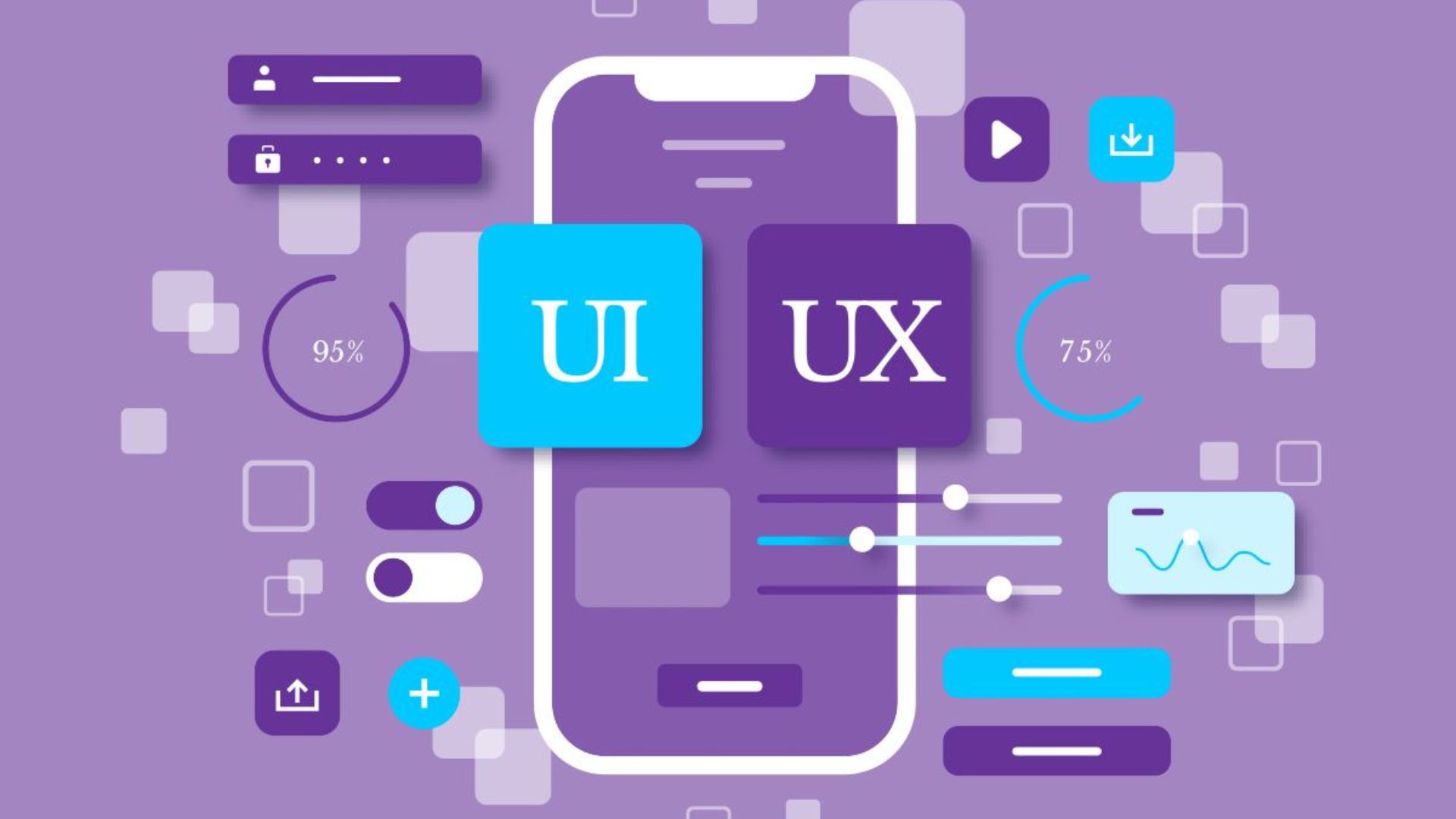
When any user begins interacting with a website or an application, the first thing that captures their attention is the visual appearance, but what keeps them engaged is the smoothness of the experience. This is where the impact of UI/UX becomes immediately visible, as a beautiful design is not enough without a clear, simple, and predictable journey.
In a world where digital competition continues to grow, combining visual appeal with ease of use has become essential for survival, especially with the expansion of digital development and the reliance of institutions on web development and application development to deliver faster and smarter solutions.
Today, building static pages or an application with limited features is no longer acceptable; the user wants an interface that understands their movement, adapts to them, and provides instant value. This is where integrated website development plays a major role, relying on clear methodologies to improve quality, connect the front-end and back-end elements, and deliver stable performance regardless of content size or number of visitors.
With the growing adoption of web application development, paying attention to the smallest interface details from spacing to button clarity has become part of a project’s success strategy, not just a technical step.
With the rise of integrated interface development, building a cohesive experience has become more important than ever, especially since institutions that combine refined design with usability achieve higher engagement, longer session durations, and better conversion rates. This naturally raises the question: How can we combine attractiveness and simplicity without sacrificing either?
How to connect attractive design with ease of use to increase traffic
Combining beauty and simplicity is the golden key for any digital project aiming for real growth. A user may be visually attracted at first glance, but what keeps them engaged is the UI/UX that gives them a sense of comfort and fluidity. Therefore, building an appealing design must always go hand in hand with clarity and ease of use.
Attractive design is not a goal but a tool
Visual appeal is the first step in capturing user attention, but it is not a measure of success.
The design must be:
- Clear
- Simple
- Uncluttered
- Aligned with the project’s identity
This integration is a core part of integrated interface development, which focuses on ensuring every element is placed correctly.
Simplicity is the foundation of interaction
Users don’t want to think for long; they want to act immediately. That’s why usability is essential in increasing traffic. This is where digital development connects every step of interaction with a comfortable and logical visual flow.
- Every step must be direct:
- Easy navigation
- Clear buttons
- Understandable messages
- Short paths to information
Visual consistency builds trust
Fonts, colors, spacing, icons everything must be unified.
Consistency makes the user feel they are inside one cohesive experience, which is exactly what institutions aim for when investing in integrated interface development.
Interaction speed is a condition for design success
A beautiful interface holds no value if it is slow.
For this reason, web development teams rely on techniques such as image/file compression, code optimization, and modern architectures that support instant page loading.
A design that responds to all devices
Mobile visits today account for more than half of global internet traffic, making responsive design a necessity, not an option.
Here, web application development ensures the experience remains consistent across mobile, tablet, and desktop.
User testing is the foundation of success
Testing reveals weaknesses the development team may not notice.
Through simple testing sessions, the UI can be improved significantly to help increase traffic.
Integration between attractiveness and simplicity does not happen by chance, but through awareness of details that ensure a smooth visual journey. This makes design not just a visual layer but a tool for increasing visits and engagement.
Technologies that support building integrated, responsive, and fast interfaces
Building an excellent interface is not just a design task—it is a complete technical process that requires smart tools, strong architecture, and clear integration between front-end and back-end. The massive development in digital technologies has opened the door to faster, more flexible platforms built on high levels of interaction and fluidity. This is where the value of the technologies used in integrated interface development becomes clear.
Modern Frontend Frameworks
Frameworks like React, Vue, and Angular have become the foundation for building responsive and scalable interfaces.
- These frameworks enable:
- Reusable components
- Better performance through Virtual DOM
- Fast user interaction
- Consistent experience across pages
These technologies have become the core engine behind web development and website development.
State Management Tools
As a project grows, managing dynamic data becomes more challenging.
This is where tools like Redux, Zustand, and Pinia emerge.
Their primary functions are:
- Organizing data
- Facilitating interaction
- Improving UI/UX stability
These tools are essential in web applications that require continuous dynamic interaction.
Design Systems
Systems like Material Design and utility frameworks like Tailwind CSS help create visually consistent interfaces.
They allow:
- Applying a unified visual identity
- Speeding up production
- Simplifying collaboration between designers and developer
- Significantly improving integrated interface development
Performance Optimization Techniques
To ensure a fast and lightweight interface, developers must apply:
- Lazy loading
- Code splitting
- File and image compression
- Reducing server requests
These techniques are essential for any project relying on web application development or applications that require high speed.
Unified Backend Integration
Integration between front-end and back-end is the backbone of a stable experience.
Through technologies like:
- Node.js
- Laravel
- Django
Developers can ensure faster response times and better data organization, directly enhancing UI/UX.
Testing and Quality Tools
Tools like Cypress, Jest, and Playwright identify errors before they reach users.
This enhances:
- Platform stability
- Development speed
- Continuous improvement of integrated interface development
These technologies are the engine behind the fast and responsive interfaces users interact with daily, enabling institutions to compete in a market built entirely on speed and efficiency.
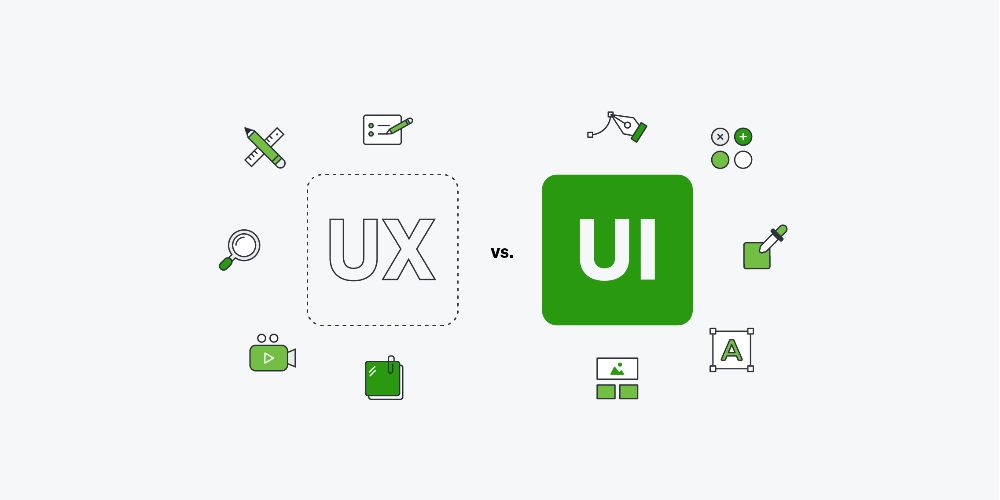
How integrated interfaces enhance the efficiency of digital institutions?
Institutions relying on traditional, disconnected, or inconsistent interfaces always struggle with user experience, development difficulty, and repeated errors. In contrast, institutions applying integrated interface development operate more efficiently and achieve faster results because they build an interface that functions as a unified unit, interacting smoothly with both users and servers. This integration improves not only the appearance but also the overall performance of the institution.
Faster development cycles
Integrated interfaces reduce the wasted time between design and development teams.
When the visual system is unified and the code structure is consistent, launching new pages or features becomes much faster.
This creates a clear difference in projects that rely heavily on digital or web development.
Better team communication
Instead of each team working in isolation, integration provides a clear interface built on standardized components,This helps:
- Designers
- Front-end developers
- Back-end developers
- Content managers
Collaborate easily under the same system, reducing errors and increasing execution quality.
Significant improvement in user experience
When the interface is fully consistent, users begin to develop trust in the platform.
Visual and functional consistency fixes many common weaknesses in web development and application development, such as:
- Inconsistent buttons
- Weak interaction
- Slow responsiveness
- Disorganized visual structure
The more harmonious the interface, the better the UI/UX and the closer the institution gets to its goals.
Reduced operational costs
An integrated interface makes editing or updating pages much easier, reducing:
- Development hours
- Maintenance costs
- Recurring issues
Supporting integration in web application development reduces the need to rebuild the interface during every update.
Higher quality and sustainability
Integrated interfaces are less vulnerable when adding new features or when the institution grows.
This allows the institution to expand without rebuilding the entire interface, supporting long-term scalability.
Improved performance and increased conversions
A smooth experience directly leads to:
- Longer user session duration
- Lower bounce rates
- Better conversions
- Stronger brand engagement
These outcomes cannot be achieved without a mature level of integrated interface development.
The relationship between interface development and user experience in modern institutions
Modern digital institutions no longer aim to simply build a functioning platform—they aim to build a platform that “understands the user.” For this reason, connecting integrated interfaces with UI/UX principles has become a necessity, not just a technical step.
Every design decision must serve the user
Whether it’s button color or content layout, every decision must simplify the user journey.
Digital development transforms data into design decisions that increase engagement.
Integrated interfaces help collect more accurate data
When all interaction points are unified, data becomes easier to analyze, helping institutions improve their strategies.
User experience is the gateway to digital identity
Institutions applying a consistent visual system across web development, website development, and application development build a strong identity that users recognize instantly.
Building a powerful interface does not rely solely on color and shape but on full harmony between design, technology, and usability. UI/UX is now the cornerstone of any digital project seeking success and continuity. With integrated interface development, institutions can increase efficiency, reduce costs, and accelerate the user journey in a way that brings the platform closer to the needs of its audience.
And if you want to build a modern SEO strategy powered by artificial intelligence and give your website a real competitive edge, you can visit Ace Digital Marketing Agency and take the first step to start your digital project with confidence and a clear roadmap toward stronger results.