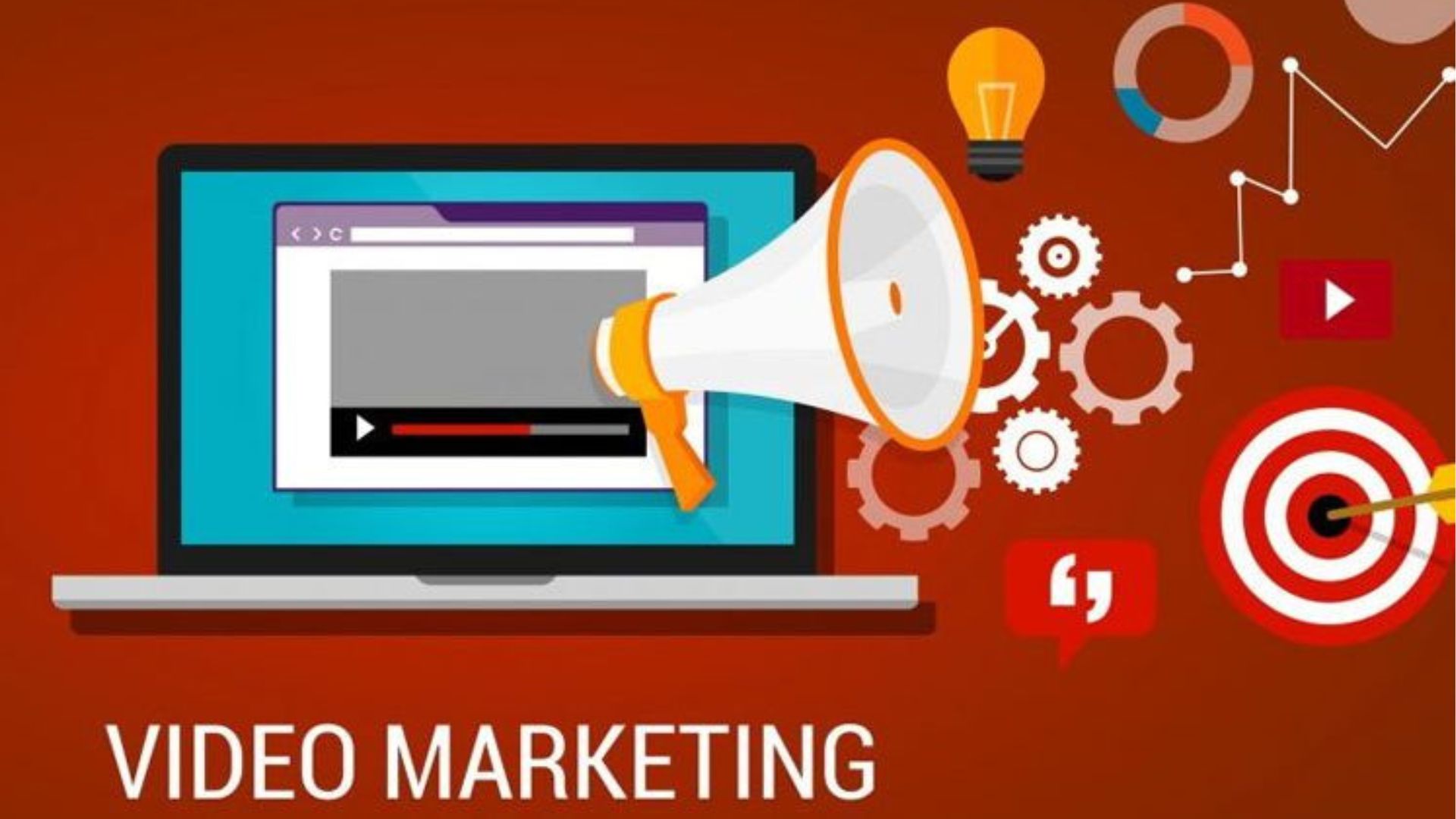
Video Marketing is no longer just an optional addition to digital marketing tools—it has become one of the most influential ways audiences interact with brands. Today’s user isn’t looking for long text or traditional ads; they’re drawn to fast, clear visual content that delivers the message in seconds. This is where the power of video stands out—as a medium that combines visuals, sound, and storytelling into a single experience that’s hard to ignore.
With the massive spread of digital platforms, viewer behavior has fundamentally changed. Short-form videos have become an everyday language, and social media platforms have turned into real arenas competing for user attention. In this context, video marketing cannot be separated from concepts like marketing automation, performance data analysis, and the role of each influencer or influencer marketing model in expanding reach and building trust.
Brands that truly understand this shift don’t stop at producing visually appealing videos. They build strategies based on influencer marketing, reading the numbers, and analyzing engagement data to understand what actually works. With the evolution of AI tools, it’s now possible to optimize content, posting timing, and even message framing based on real audience behavior—not assumptions.
This article takes you step by step into the world of video marketing, not from a theoretical angle, but from a practical, applicable perspective—connecting creativity, influencer marketing, and data usage to achieve tangible results in a fast-changing digital environment.
Video Marketing and the Shift in Digital Audience Behavior
Video marketing has become a direct reflection of how audiences think today. Users no longer give content much time to influence them; decisions are made within seconds. This shift has forced brands to reshape their messages into fast, clear, visually driven formats that match the language of the platforms their audiences already use.
Video doesn’t succeed just because it’s short—it succeeds because it presents the idea in a practical context. When users see a product in action or hear an authentic opinion from someone they follow, the impact is stronger than any written text. That’s why video marketing has become closely tied to influencer marketing, where each influencer acts as a bridge between the brand and its audience.
In this landscape, performance data analysis cannot be ignored. View counts alone aren’t enough. What matters is watch time, engagement, and drop-off points. These indicators reveal whether the video actually captured attention and give marketers the ability to improve content instead of repeating the same mistakes.
With the development of marketing automation tools, video handling has become more precise. Multiple ideas and presentation styles can be tested to see which generates the best response—without relying on gut feeling. This integration of creativity, data, and technology is what has turned video marketing into a practical tool rather than a passing trend.
Measuring the Success of Short-Form Video Campaigns
The success of video marketing cannot be judged by view count alone, as this metric is often misleading. Short videos, in particular, may rack up thousands of views quickly—but the real question is: what happened after the view? Did users engage? Did they finish the video? Did they take any action?
This is where performance data analysis becomes critical. Average watch time, completion rate, comments, shares, and saves all reflect content quality—not just reach. Brands that rely on these insights can continuously refine their video marketing approach instead of repeating the same pattern without real results.
When this data is connected to marketing automation tools, measurement becomes even more accurate. Different videos or content formats can be compared to see which performs better with the same audience segment. This turns video from experimental content into a measurable, impact-driven tool.
Building Brand Identity Through Short Videos
Short videos are no longer just attention-grabbers—they’ve become a core element in building brand identity. Visual style, tone of voice, message type, and even how people appear on screen are all details that repeat and gradually embed themselves in the audience’s mind.
Here, video marketing isn’t just about selling—it’s about creating familiarity. When users can recognize a brand within the first few seconds of a video, the brand identity has started to take hold. This doesn’t happen by chance; it’s the result of conscious planning and consistent execution.
Influencer marketing plays a supporting role here. When the same brand identity appears through an influencer who aligns with the brand’s values, trust grows and the message feels more authentic. Over time, video shifts from direct advertising to a natural extension of the brand’s presence in the audience’s mind.

Practical Tips to Increase Engagement and Views Using AI
Using AI in video marketing is no longer limited to analysis—it’s now a decision-making tool. AI can be used to understand viewing patterns, determine optimal posting times, and even suggest video ideas based on real audience interests.
By analyzing past engagement data, AI can identify the type of content that keeps viewers watching longer. This helps improve video structure, scene order, and message delivery—without relying on random experimentation.
When combined with marketing automation, content can be personalized at a deeper level. Different videos can be shown for the same product based on user behavior, or retarget users who watched part of a video but didn’t finish it. This strategy boosts the efficiency of video marketing and increases the likelihood of genuine engagement.
The Role of Influencer Marketing in Expanding Reach
Influencer marketing isn’t about follower count alone—it’s about the quality of the relationship between the influencer and their audience. When content feels natural and unforced, the video becomes more impactful and closer to a personal recommendation than a direct ad.
Within video marketing strategies, influencer marketing is used in multiple ways: product demonstrations, honest reviews, or answering follower questions. This approach builds trust and gives brands a human voice that traditional advertising struggles to achieve.
Repeating influencer marketing within a strategy doesn’t mean repeating the same message. It means varying perspectives and styles while maintaining the same objective. By tracking performance data, brands can continuously refine influencer selection and content direction in future campaigns.
Integrating Marketing Automation and Data Analysis in Video
Marketing automation doesn’t function independently of data analysis—it relies on it entirely. Every video generates data that reveals real user behavior. This data becomes the foundation for all future decisions, whether adjusting content or changing strategy.
When these tools are integrated effectively, video marketing becomes an ongoing cycle of testing and optimization. There’s no single formula that works for everyone—only content that evolves alongside audience behavior and digital platforms.
Common Mistakes That Weaken Video Marketing Results
Despite the widespread adoption of video marketing, many brands make recurring mistakes that reduce content impact—even when production quality is high. Often, the issue isn’t execution, but mindset and message construction.
One common mistake is focusing on the product before grabbing attention. In short-form content, the first seconds are critical. Starting with a direct product pitch without context causes users to lose interest quickly. Video marketing needs a smart hook—a problem, scenario, or idea that resonates with the viewer’s reality.
Another mistake is ignoring performance data analysis. Publishing videos without tracking engagement—or relying solely on views—leads to repeating weak results. Metrics like watch time and completion rate reveal whether the message landed and guide meaningful improvements.
Over-reliance on a single influencer or style in influencer marketing can also lead to audience fatigue. Repeating the same message in the same way reduces credibility over time. The solution is to vary angles and refresh presentation while maintaining brand identity.
Separating marketing automation from content is another common issue. Using automation only for posting, without testing and analysis, limits its value. Real power comes from combining automation with video performance data to make data-driven decisions.
How to Build a Long-Term Video Marketing Strategy
An effective video marketing strategy isn’t built on one successful video—it’s based on a long-term vision that evolves over time. Many brands start enthusiastically, then stop when results aren’t immediate. This is where the difference between experimentation and strategy becomes clear.
The first step in any long-term plan is defining the true objective of video marketing. Is it awareness? Trust? Sales support? The answer determines content type, length, and distribution platforms. Without a clear goal, videos become disposable content with no lasting impact.
Next comes content role distribution. Not every video should sell, and not every video should explain. Some aim to build emotional connection, others to educate, and some to support influencer marketing indirectly. This variety keeps the strategy flexible and prevents audience fatigue.
Performance data analysis is crucial at this stage. Regularly reviewing results shows whether the strategy is on track or needs adjustment. As audience behavior changes, video marketing styles should evolve rather than stay locked into one format.
Marketing automation helps maintain consistency. Through scheduling, retargeting, and format testing, the strategy can be executed without daily pressure—allowing teams to focus on content quality rather than repetitive tasks.
Finally, the human element remains essential. Ongoing collaboration with multiple influencers and developing a natural, non-forced influencer marketing approach strengthens credibility and makes video marketing a seamless part of the audience’s daily experience—not an imposed advertisement.
Video marketing is no longer just an attractive content format—it’s a complete system that connects ideas, execution, and results analysis. Brands that treat video as a continuous process of testing and learning are the ones most likely to sustain impact. Success here isn’t about budget size, but about understanding the audience, using performance data wisely, and balancing marketing automation and influencer marketing in a way that prioritizes brand identity before sales.
In a rapidly changing digital world, video marketing remains a flexible tool that can adapt to any market or audience when built on a clear strategy, honest messaging, and content that respects the viewer’s intelligence.
If you’re looking to strengthen your digital presence and build a video marketing strategy that fits your business and keeps pace with this shift, you can visit ACE Digital Marketing Agency, where a dedicated team helps turn visual content into a real, sustainable growth engine.